


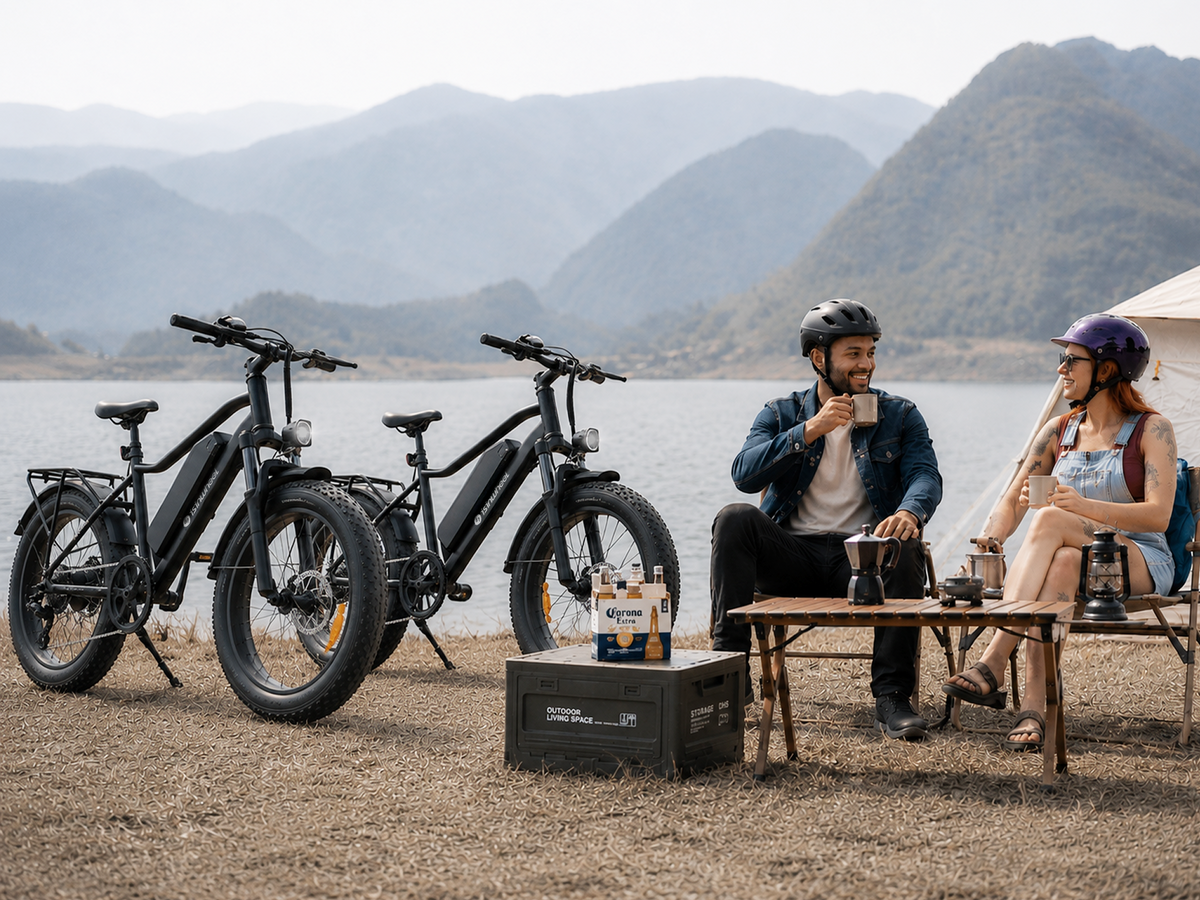

Yes, One Ride Can Take You From Downtown to the Trailhead
Electric mobility makes it easy to enjoy both city streets and trails with the same ride, as long as you choose the right tires, brakes, and battery and adjust your riding style for each surface. A smooth bike lane and a gravel path ask for different habits, but neither one is hard to learn.
In this guide, we look at why more people are leaving the pavement, how to prepare for city riding, and what changes when the road turns to dirt. The examples use isinwheel models, but the tips work for any brand.
Why More People Are Leaving the Pavement
City Rides Are Already Easy
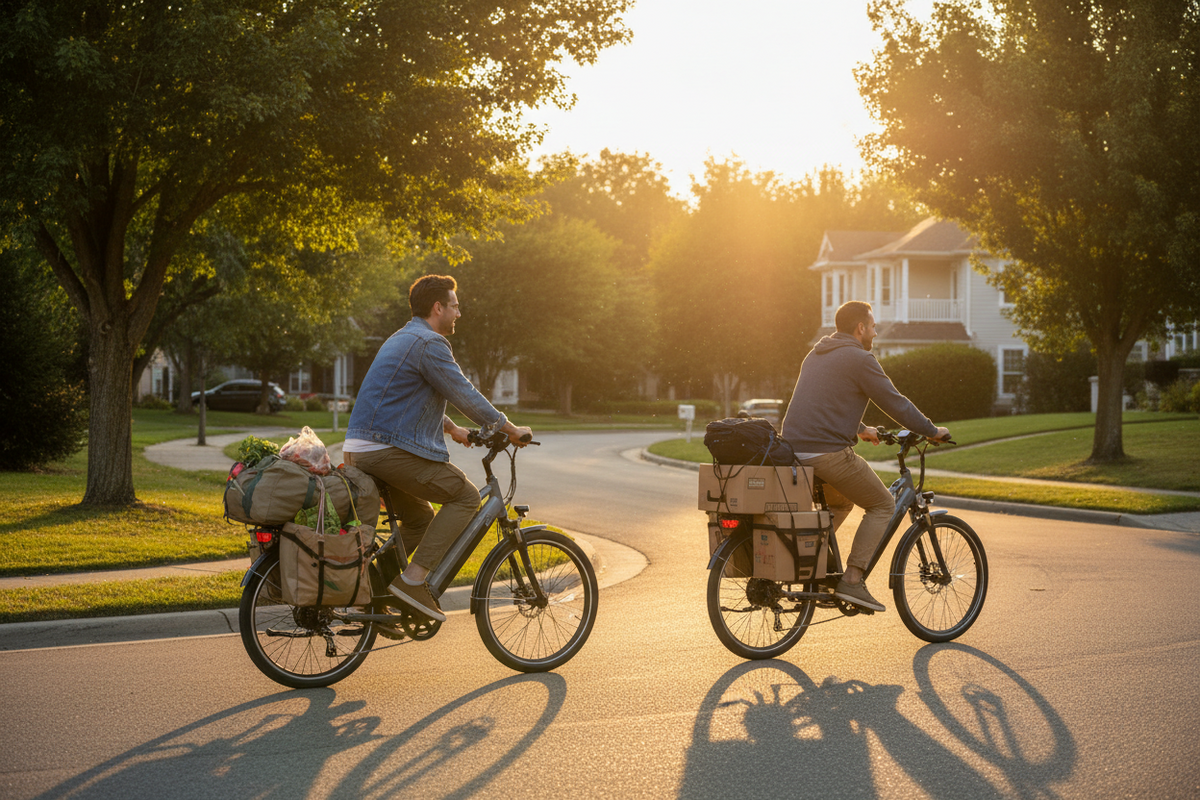
Many people start with short city trips, such as a ride to work, a quick errand, or a visit to a friend. Electric power takes the effort out of hills and headwinds, and you can park almost anywhere. After a few weeks, riding often feels more natural than driving.
Trails Offer Something Different
Once you feel confident, the next step is natural. Trails give you fresh air, quiet, and views that you cannot get from a car. They also give your mind a break from traffic noise and screens. Where e-bikes are allowed, a gravel path near the Blue Ridge Mountains can turn a free afternoon into a small adventure, and the motor helps you go farther than you could on a regular bicycle.
Getting Ready for City Streets
Be Seen and Stay Predictable
City riding is mostly about visibility. Use front and rear lights, even in daylight, and wear bright or reflective clothing at dusk. Ride in a straight line, signal your turns, and leave space for parked car doors. Drivers react better when they can predict what you will do next.
Think About Parking and Charging
A good lock is a must, and it is smart to park in a visible, well-lit spot. If you charge at home, keep the battery away from heat and use the charger that came with it. Check your tire pressure every week, since soft tires waste battery and make steering feel heavy. Plan your route so you return with some charge left, because stop-and-go traffic can use more battery than you expect.
Making the Jump to Trails
Tires and Suspension Matter Most
Wider tires grip loose ground and soak up bumps, which makes trail riding calmer. Suspension helps too, because a front fork or a cushioned seat that absorbs shocks reduces fatigue on long rides. The isinwheel M10Pro electric bike, for example, lists 20 by 4 inch fat tires, a 1000W max power rating, and a top speed of 22 mph. If you want to understand the trade-offs, our guide on fat-tire vs. standard-tire electric bikes breaks them down in plain English.
Brakes and Control
On dirt, you brake earlier and more gently. Hard braking on loose ground can make a wheel slide. Check that your brake pads are in good shape before every ride, and practice stopping on a quiet path before you head somewhere remote. Models like the isinwheel M60 all-terrain electric bike are listed with a 750W motor, mechanical disc brakes, and a weight of 75.9 lbs, so remember that a heavier bike needs more stopping distance.
Battery and Range on Rough Ground
Dirt, hills, and soft surfaces use more power than smooth pavement. The M10Pro lists a maximum range of 75 miles, but a listed range is a best-case number and trail riding will lower it. Our guide on how rider weight, cargo, and terrain change your e-bike’s real-world range shows how to estimate your own. A simple rule is to turn around when the battery reaches half, so you always have a safe cushion to get back.
Where Electric Scooters Fit In
Scooters are not just for city streets. Off-road models use larger air-filled tires and stronger motors, which helps them handle packed dirt and gravel. They are still best on smoother surfaces than a fat-tire bike, and they ask more of your legs and balance on bumpy ground. Scooters also have no pedals, so steep climbs rely fully on the motor and drain the battery faster. You can compare options in the isinwheel off-road electric scooter collection.
A scooter is also easier to carry into a building or a car trunk, which makes it a good partner for trips that mix city and trail. Start on easy paths, keep your knees slightly bent, and look ahead rather than down at the ground.
Trail Manners and Local Rules
Rules for electric bikes and scooters vary by state and even by trail. Some paths allow e-bikes, while others do not, so check your state and local park rules before you go. Also make sure the motor power and top speed of any model you consider fit your local limits.
Simple Habits for Safer Adventures
- Wear a helmet and gloves, and consider eye protection on dusty trails.
- Slow down and give a friendly warning when you pass walkers, hikers, or horses.
- Stay on marked paths to protect plants and wildlife.
- Carry water, a phone, and a basic repair kit.
- Tell someone your route and when you plan to be back.
Your Next Adventure Starts at the Front Door (Conclusion)
City streets and hidden trails are not two separate worlds. With the right tires, careful braking, and a realistic view of your battery, one electric ride can handle a weekday commute and a weekend escape. Start small, learn how your ride behaves on each surface, and build up from there. There is no need to rush. Many riders spend a few weeks on familiar routes before heading farther out, and that patience pays off in confidence and safety. For more ideas, read our guide on how to set up one electric bike for multiple riding styles and enjoy the ride.
Before You Hit the Trail (FAQ)
Can I use the same e-bike for the city and for trails?
Yes, many riders do, as long as the tires, brakes, and battery suit both surfaces.
Do I need special tires for trails?
Wider tires with good tread grip loose ground better, but your riding speed matters just as much.
How far can I ride on one charge off-road?
Real-world range on dirt is usually lower than the listed number, so plan to use less than half your battery on the way out.
Are electric scooters good for trails?
Off-road scooters can handle packed dirt and gravel, but they work best on smoother paths.
Do I need a license to ride on trails?
Requirements differ by state, so check your local rules and park signs before riding.


Share:
E-Bike or Electric Scooter? Find Your Perfect isinwheel Ride for Every Journey