


One Month, Fewer Car Keys: The Short Answer
Replacing short car trips with an e-bike or e-scooter for 30 days usually saves money, trims travel time on city routes, and makes your days feel more active. The trade-off is a little planning around weather, charging, and safety. For most riders, the first week feels awkward, and by week four it feels normal.
This guide walks through a realistic month, week by week. Your own results will depend on your route, your weather, and how many car trips you replace.
Week One: Learning the Rhythm
Planning Replaces Habit
In week one, you will notice how automatic driving is. You grab the keys without thinking. Now you have to decide: which route, which clothes, and where to park. Pick one or two short trips to replace first, such as a 3-mile ride to work or a quick errand. Starting small keeps the change from feeling like a chore.
Finding Your Safe Route
Check bike lanes and quiet streets before you go. A route that is a few minutes longer but safer is often worth it. In Minneapolis, for example, riders can use the Midtown Greenway to avoid some busy roads. Wear a helmet, test your brakes, and ride a little slower than you think you need to while you learn.
Gear You Actually Need
Keep your kit simple. A helmet, front and rear lights, and a strong lock cover most short trips. If you will ride home after sunset, add reflective gear so drivers can see you earlier. A small backpack or a rear rack handles most daily items without throwing off your balance.
Weeks Two and Three: Where the Savings Show Up
Money and Time
By the second week, the math starts to show. Short car trips are surprisingly costly because fuel, parking, and wear on the car add up even over small distances. Cold engines also use more fuel in the first few minutes of a drive. An e-bike or e-scooter costs only a small amount of electricity to charge. On a 3-mile city trip, you may also find the ride takes about the same time as driving once you count traffic lights and parking.
Energy and Mood
Many riders find they arrive feeling more awake. Fresh air and a bit of movement can lift your mood before work. An e-scooter keeps you standing and balanced, while an e-bike lets you pedal as much or as little as you like. Neither replaces a full workout, but both beat sitting in traffic.
Week Four: The Bumps Nobody Mentions
Weather, Charging, and Carrying Things
By week four, real life tests your plan. A rainy morning, a low battery, or a bag of groceries can bring you back to the car. That is normal. Charge your battery overnight, keep a light rain jacket handy, and use a backpack or rack for loads. Range also drops in cold weather, so leave extra battery for the ride home. If rain is a big concern, this rainy commute comparison explains how scooters and bikes handle wet streets.
When the Car Still Makes Sense
Replacing every trip is not the goal. Long highway drives, heavy loads, and late-night trips in bad weather are still car jobs. The real win comes from swapping the short, repeat trips, because those are the ones where a car is most wasteful. Even replacing half of them can change your month.
Beyond the Wallet: Quiet Benefits You May Notice
Money is only part of the story. Many riders say parking stress simply disappears, because you can often stop right at the door. Trips also become more predictable, since a bike lane or path often avoids the traffic jam. And short trips on two wheels can feel more connected to your neighborhood, because you notice shops, trees, and people you would miss from a car window. These small changes are often what keep people riding after the first month.
E-Bike or E-Scooter: Which Fits Your Month?
Both work well for short trips, so the better choice depends on your route. E-bikes handle hills and longer rides more easily, and they carry bags well. Many e-scooters fold up, store easily, and suit riders who mix riding with buses, trains, or office elevators. This e-bike buying guide covers power, comfort, and range, and this shared scooter comparison helps households decide how many rides they really need.
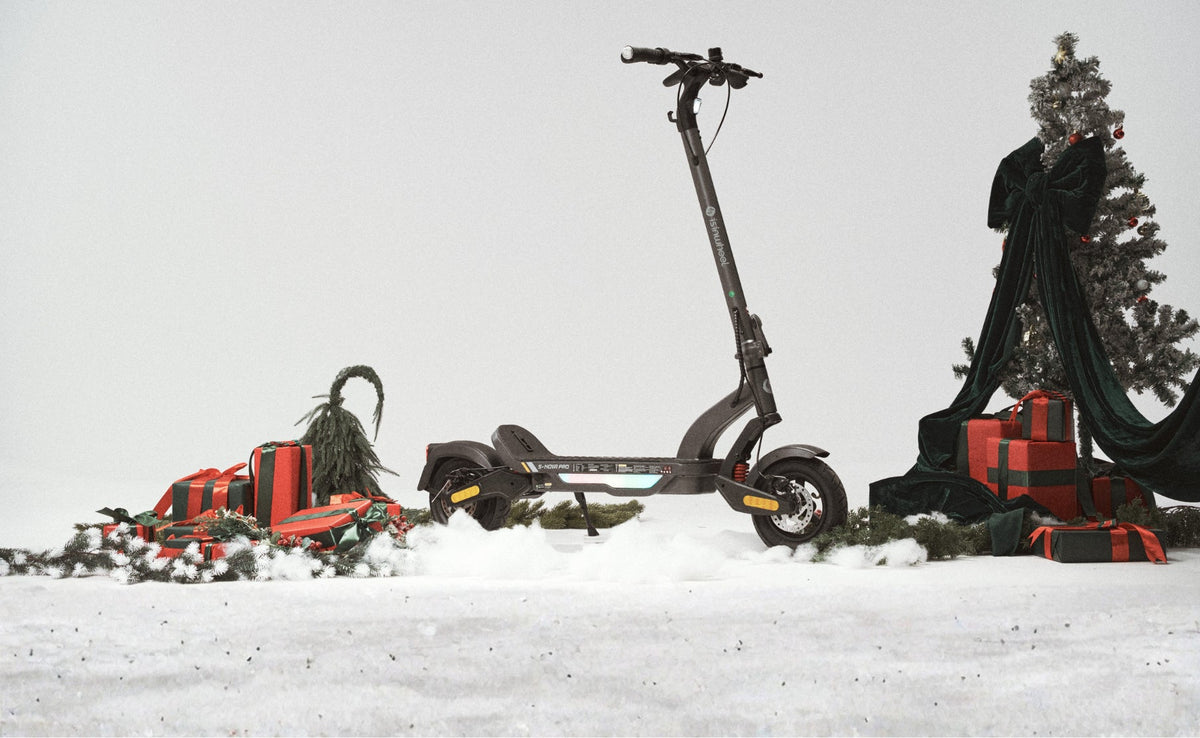
If you lean toward a scooter, a few isinwheel models show the range of options. The isinwheel S Nova offers a 19-mile range and 20 mph top speed, which suits short, simple trips. The isinwheel S3Max stretches to 28 miles for riders with longer loops or an extra errand. The isinwheel S10Max reaches 37 miles, which gives a comfortable cushion for commutes and colder days when range drops.
A Simple 30-Day Plan You Can Copy
If you want to try this month yourself, keep it simple:
- Days 1 to 7: Replace one short trip, such as a 3-mile commute, and test your route on a weekend first.
- Days 8 to 14: Add a second trip, like a grocery run with a backpack.
- Days 15 to 21: Ride in cooler or damp weather at a slower pace to see how your vehicle handles it.
- Days 22 to 30: Use your e-ride as the default for every trip under about 3 miles, and note what you saved.
A Month Is Enough to Change Your Defaults
After 30 days, the biggest change is not just savings or fitness. It is your default. Instead of reaching for the car keys, you start by asking whether the trip can be done on two wheels or a deck. Start with one route, ride safely, plan for weather, and keep the car for the jobs it does best. Always follow local rules for helmets, lights, and where you can ride, since they vary by city and state.
Questions Riders Ask Before Making the Switch
How many car trips should I replace in the first month?
Start with one or two short, repeat trips, then add more as you get comfortable.
Will I really save money?
Often yes on short trips, since you cut fuel, parking, and car wear, though the purchase price matters too.
Is an e-bike or an e-scooter better for short trips?
Both work, but e-bikes suit hills and bags while e-scooters suit tight storage and mixed commutes.
What should I do when the weather turns bad?
Slow down, leave extra time, or take the car on the worst days, since the goal is safer trips, not perfect streaks.
Do I need special gear to start?
A helmet, a good lock, and lights are the basics, plus reflective gear if you ride after dark.


Share:
The Science of Being Seen: Why Visibility Matters More Than Speed in Nighttime Electric Riding
Beyond the Thanksgiving Table: 7 Ways Electric Bikes Can Make Your Holiday More Memorable