


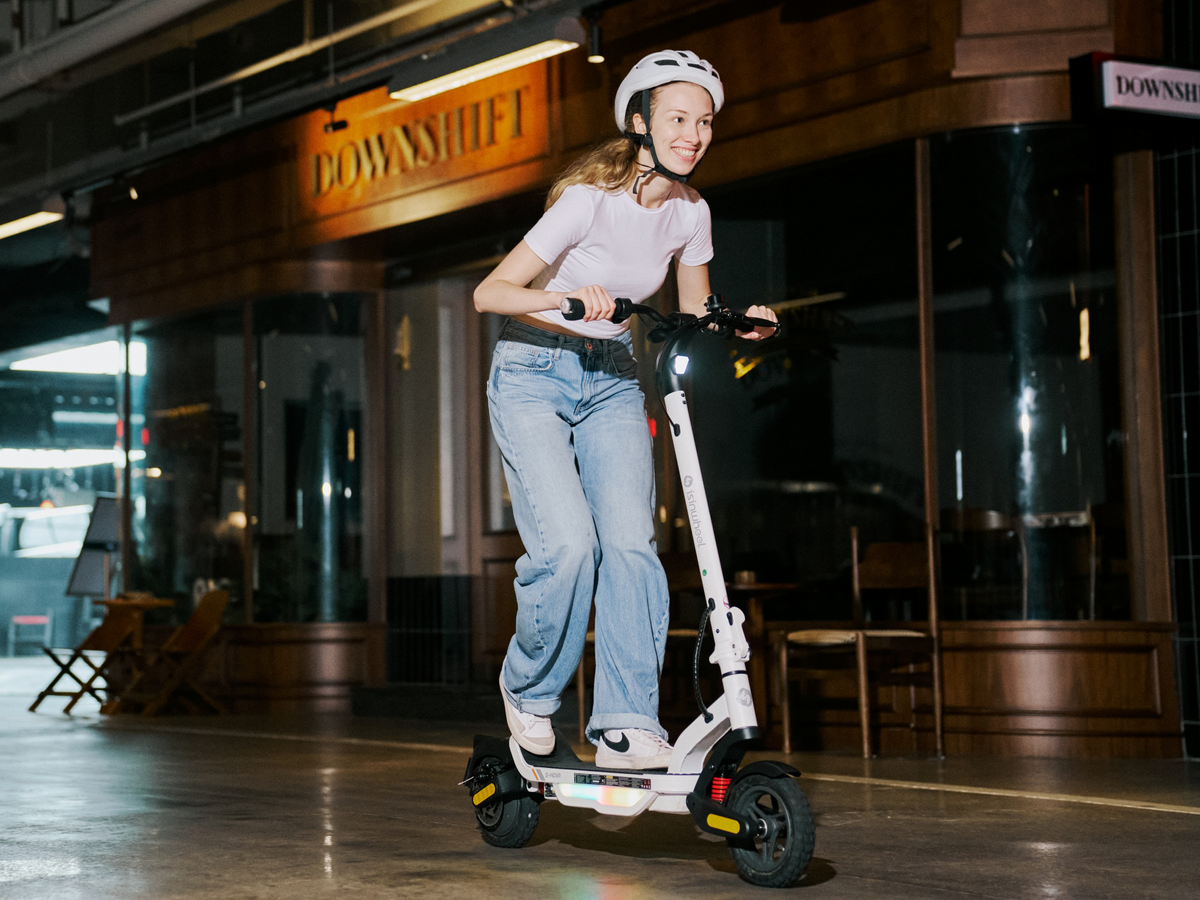
Seen Before You Speed: The Simple Truth About Night Riding
Being seen matters more than being fast when you ride an electric scooter at night. Speed only changes how quickly you travel, but visibility decides whether drivers, walkers, and cyclists notice you in time to react. A well-lit rider at a steady pace is almost always safer than a fast rider who fades into the dark.
After the clocks go back in early November, sunset arrives before 5 p.m. in cities like Boston and Seattle. Suddenly, many riders commute home in the dark. This guide explains how night vision, reaction time, and lighting work together, and what you can do to stay visible on every ride.
How Your Eyes, and Everyone Else’s, Change After Dark
Why Drivers Miss Scooter Riders
A scooter rider is a small target. At night, a driver has to pick out a narrow shape against a busy background of street lights, signs, and headlights. Dark clothing and a dim light make that harder. Drivers also tend to look for cars and larger vehicles, so a small, quiet scooter can slip past their attention even when it is in plain view.
Why Your Own View Shrinks
Your headlight lights up only a short stretch of road. Beyond that, you are guessing. On a darker part of a path, such as some stretches of Chicago’s Lakefront Trail, potholes, wet leaves, and curbs can appear suddenly. Your eyes also need time to adjust when you go from a bright street to a dark path, and that can take several seconds.
The Science of Speed, Distance, and Reaction Time
Speed and visibility meet in one simple idea: stopping takes time and distance. Every rider needs a moment to notice a problem, decide what to do, and reach the brakes. A typical reaction time is about one and a half seconds. At 15 mph, you travel roughly 33 feet in that time before the brakes even start working. At 25 mph, that grows to about 55 feet.
Now flip the picture. Drivers need reaction time too. If a driver spots you late, there is no room left to avoid you, no matter how well you brake. The earlier you are noticed, the more space everyone has. That is why a bright, visible rider at 12 mph can be safer than a dim rider at 20 mph.
The Speed Trap: Why Riders Feel Safe When They Are Not
At night, a dark road feels empty, and empty roads tempt people to go faster. Yet the lack of traffic can be misleading. Cyclists without lights, walkers in dark clothes, and cars pulling out of side streets are hard to spot, and you may not see them until you are close. Keeping your speed modest gives your eyes and your lights the time they need to find these surprises.
Build Your Visibility in Layers
Light From Every Angle
Aim for light from the front, back, and sides. A strong front light helps you see and be seen. A rear light warns drivers behind you, and a brake light is even better. Side visibility is often forgotten, yet driveways and intersections are exactly where cars approach from the side. Reflective strips on the stem, deck, or wheels help a lot there.
Clothing and Gear That Work
Light-colored or reflective clothing makes a real difference. Reflective vests and ankle bands add movement, and moving reflectors help drivers recognize a human rider. Always wear a helmet. A small clip-on light on your helmet or backpack adds a second light source at a different height, which also helps drivers judge your distance.
Contrast, Color, and Motion: How Your Brain Spots a Rider
Human eyes notice contrast and movement before they notice details. A white or reflective shape moving against a dark road stands out quickly, while a dark shape on a dark road disappears. This is why blinking or flashing lights can grab attention in busy areas, especially at the rear. Steady lights, however, help people judge how far away you are and how fast you are moving. Many riders use a steady front light and a flashing rear light to get the benefits of both. Check your local rules first, since a few places restrict flashing lights.
Night Riding Habits That Beat Raw Speed
Good habits matter as much as good lights. Try these on your next evening ride:
- Slow down at driveways and intersections, and assume drivers have not seen you.
- Ride where you are visible, not tucked beside parked cars where a door or driver could surprise you.
- Skip headphones so you can hear traffic and other riders.
- Choose lit routes with bike lanes, even if they add a few minutes.
- Check your lights, brakes, and tires before every ride, as this build quality guide explains.
- Cut your speed on wet streets, where painted lines and metal covers get slippery, as this rainy commute comparison notes.
- Practice braking and turning at low speed in a quiet lot before riding at night; this low-speed handling guide shows what to feel for.
What to Look for in a Night-Friendly Scooter
You do not need the fastest scooter for night riding. You need one that feels stable, predictable, and well lit. Most isinwheel scooters list LED headlights, taillights, and reflective features, but always confirm the details on the product page.
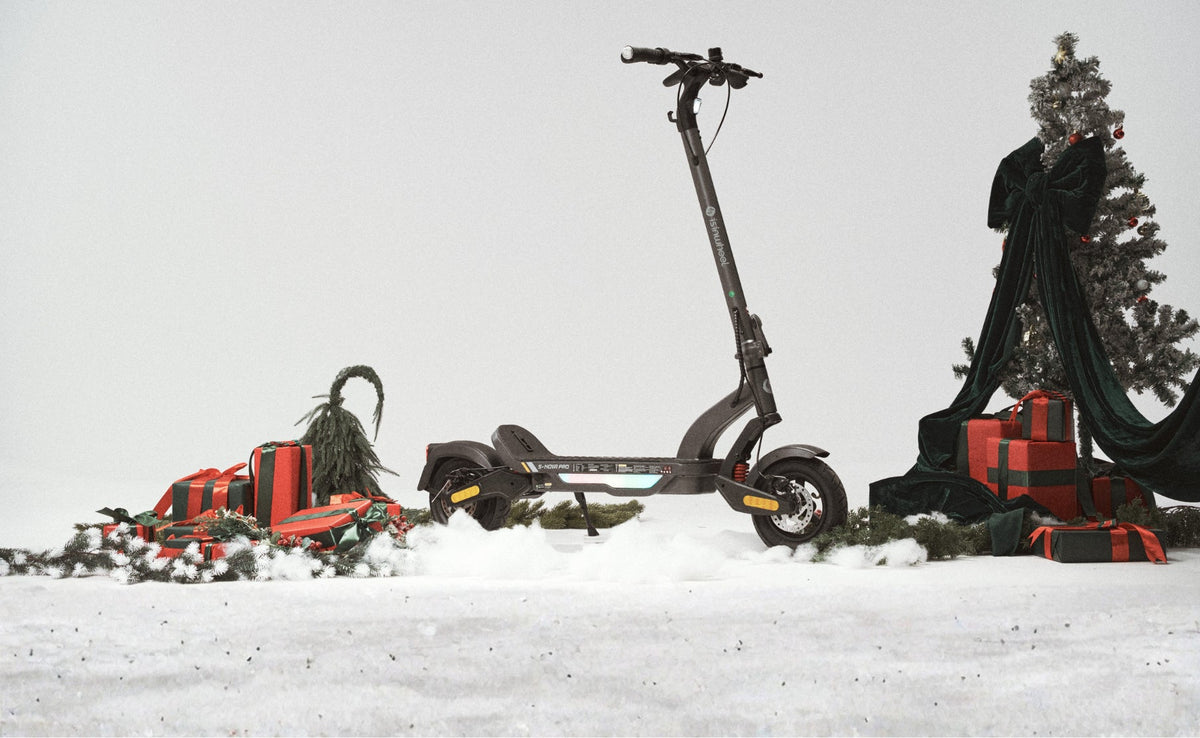
A few examples show how different models fit different night riders. The isinwheel S9 Pro has pneumatic tires that help absorb bumps you may not see in the dark, and its 19 mph top speed encourages a calm pace. The isinwheel S10Max is built for commuting and offers a longer 37-mile range, so you can take a well-lit route home without worrying about battery. The isinwheel S Nova Pro comes in white and gray, and the white option is easier for drivers to spot at night.
Ride Bright, Not Just Fast
Night riding does not have to feel risky. When you focus on being seen, you give drivers more time to notice you and give yourself more time to react. Add lights on every side, wear bright or reflective gear, slow down at intersections, and pick routes that are easy to see and easy to ride. Speed is fun, but visibility is what gets you home safely. Always follow your local rules for lights and helmets, since they vary by city and state.
What Night Riders Often Ask
Is a brighter headlight or a faster scooter better for night riding?
A brighter, well-placed light helps more, because it lets you see hazards and lets others see you earlier.
Should I wear a helmet when riding at night?
Yes, and adding reflective stickers or a clip-on light to it makes you even easier to spot.
Do I need a rear light on my e-scooter?
Yes, a rear light is one of the most important tools for warning drivers who approach from behind.
How can I stay visible if my scooter has weak lights?
Add a clip-on front and rear light, wear reflective gear, and keep your speed low.


Share:
The Hidden Cost of Owning a Car for Short Trips: Could an Electric Ride Be a Smarter Alternative?
One Electric Ride, 30 Days: What Changes When You Replace Short Car Trips With an E-Bike or E-Scooter?