


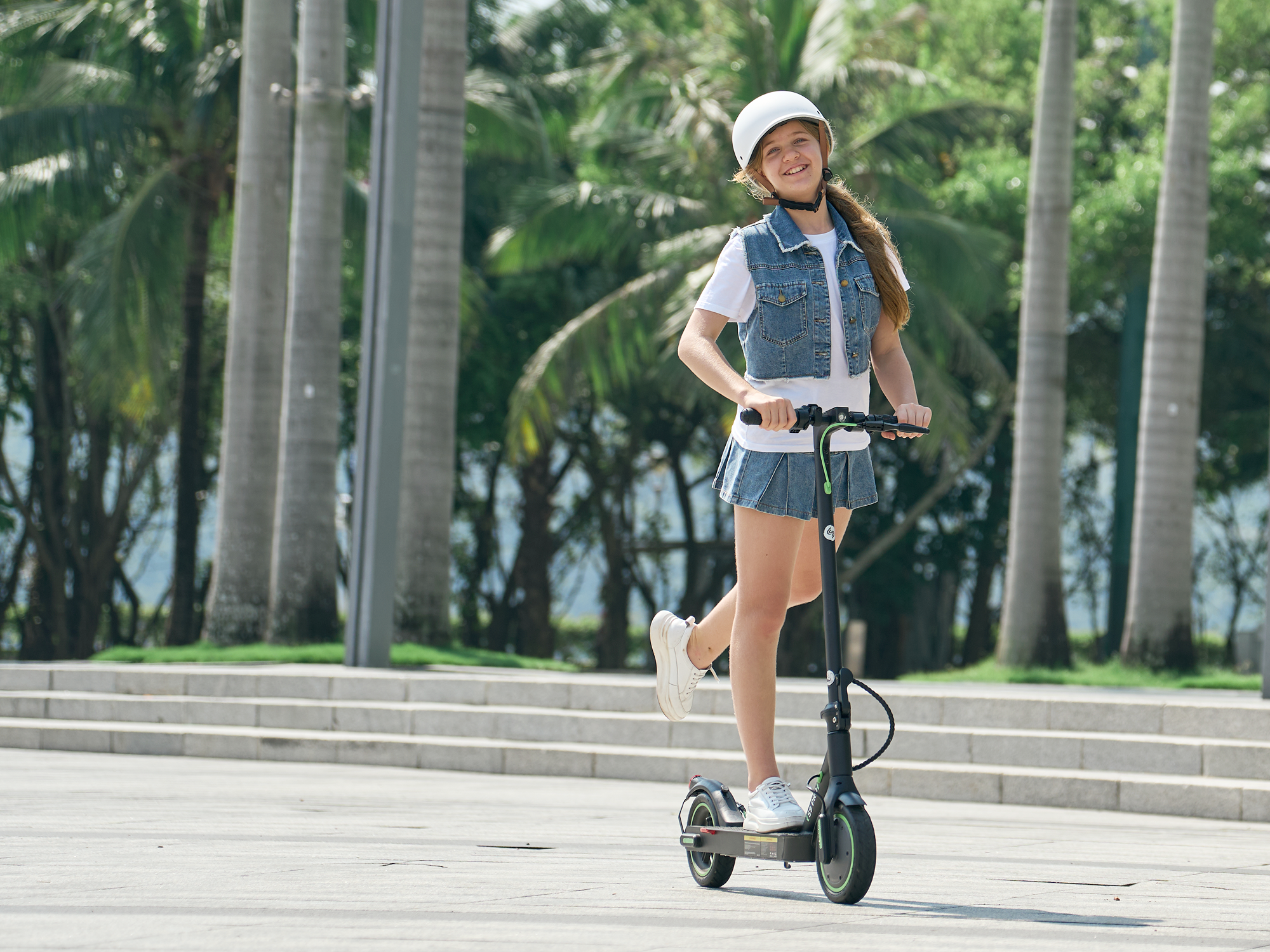
Why a cheap electric scooter can save money or create regret
You spot an electric scooter under $500, imagine skipping parking stress, and picture a faster ride to class, work, or nearby errands. Then the tradeoffs show up later: short range in cold weather, rough rides on cracked streets, slow hill starts, or support delays when something small fails. That is the real cost of cheap electric scooters. The sticker price looks low, but the daily friction can be higher than expected.
A better way to judge an affordable electric scooter is by route fit, not hype. The picks below focus on what budget electric scooters usually deliver, where corners get cut, and which Isinwheel electric scooters make sense for a scooter for urban commuting. You will also see when spending a little more is smarter than replacing an underpowered model too soon.
What you really get from electric scooters below $500
Sub-$500 electric scooters can work well if your routine is simple: short flat commutes, campus hops, or neighborhood errands. In this range, you should expect practical portability, moderate speed, and enough battery for basic city use, not luxury suspension or strong all-day hill performance. Isinwheel positions several commuter-focused models with fast shipping, a visible warranty, and US-based support, which matters because service quality is part of ownership cost too.
The common mistake is buying for an imagined use case instead of your real one. If your route includes bridges, broken pavement, repeated stops, or longer round trips, a bargain scooter may create more charging, less comfort, and faster upgrade pressure. That does not make affordable electric scooters bad. It means they fit narrow jobs best, especially for green commuting solutions and eco-friendly transportation on lighter weekly mileage. According to the CPSC, micromobility injuries and hazard patterns remain a real safety concern, so matching the scooter to the job is more than a comfort issue.
5 things the real cost depends on
1. Battery size affects convenience first
Range is the first budget shortcut most riders feel. The S9 Pro is listed at up to 19 miles, the S Nova at 19 miles, and the S9Max at 22 miles, so even a small bump in battery can mean fewer midweek charges and more room for detours.
2. Motor output changes how calm the ride feels
On flat streets, a 350W scooter can be enough. In stop-and-go traffic or on moderate inclines, stronger output feels more confident. Isinwheel lists 350W on the S9 Pro, 500W motor capacity on the S9Max, and 500W rated with 600W max on the S Nova.
3. Support policy is part of the product
A cheap scooter with vague service can cost you time fast. Isinwheel states US-based support, a limited warranty structure, and a 1-year warranty service callout across store pages.
4. Shipping speed affects practical value
If you need a scooter for urban commuting next week, delivery matters. Isinwheel says many orders in the contiguous US arrive in about 2-5 business days via UPS or FedEx, with regional estimates of 2-3 business days in the East and 4-5 in the West.
5. Buying too cheap often means buying twice
The biggest hidden cost is upgrade regret. If your route grows or your confidence improves, the weakest spec tier can feel limiting within one season. For battery charging safety, the CPSC has warned consumers not to use “universal” chargers with micromobility products because incompatible charging can create fire risk.
Which Isinwheel electric scooters fit different riders?
1. S9 Pro for short, flat daily trips
If your main goal is low entry cost for basic urban use, the isinwheel S9 Pro Pneumatic Tire Electric Scooter is the narrowest but still valid fit. It works best for short flat commutes, campus travel, and light errands. The tradeoff is simple: you get portability and enough speed for local riding, but less headroom for heavier riders or repeated hill starts.
- Why it stands out
- 350W motor
- Up to 19 MPH top speed
- Up to 19 miles max range
- 8.5-inch pneumatic tires
- 27.5 lb listed net weight
- Best for
- First-time adult riders
- Apartment dwellers carrying a scooter upstairs
- Short last-mile commuting
- What to watch
- 220 lb max load is lower than some other models
- Less battery margin if you stack errands into one trip
2. S Nova for balanced budget commuting
 For many riders, the S Nova is the smarter affordable electric scooter because it balances comfort, speed, and everyday usability better than the lowest tier. It is still a budget-minded scooter, but the spec sheet looks more commuter-ready. That makes it a better fit if you want one electric ride for outdoor adventure around town, errands, and weekday transport without jumping into premium pricing.
- Why it stands out
- 500W rated power with 600W max
- Up to 20 MPH top speed
- Up to 19 miles max range
- 8.5-inch pneumatic tires
- Front and rear dual suspension
- 264 lb max load
- Best for
- Riders on mixed city pavement
- Budget commuters who still want comfort
- Beginners who need more than a starter toy
- What to watch
- Range is still commuter-level, not long-distance
- At 49.2 lb, it is less carry-friendly than the lightest option
3. S9Max for buyers avoiding the weakest spec tier
The S9Max makes sense when you already know the cheapest scooter will feel limiting. It adds stronger motor capacity, more range, dual suspension, and a 264 lb max load, which gives you more breathing room for regular commuting. That extra cushion is often what prevents early replacement regret in the best electric scooters for commuting at the low end of the market.
- Why it wins
- 500W motor capacity
- Up to 21 MPH top speed
- Up to 22 miles max range
- 10-inch honeycomb tires
- Front and rear dual suspension
- EABS plus rear disc brake
- Best for
- Riders with slightly longer round trips
- People who want a more stable deck and wheel feel
- Commuters who dislike bare-bones entry scooters
- What to watch
- Honeycomb tires reduce flats but can feel firmer than pneumatic tires
- Heavier than ultra-light starter scooters
4. H7 as the contrast point above budget
The H7 is not a below-$500 pick, but it helps explain what extra money buys. Once you move above strict budget territory, you start seeing much more speed, longer range, larger tires, hydraulic suspension, and stronger braking. That is useful context if your route already includes steep grades, rough roads, or heavier daily dependence.
- Key specs to check
- 1500W motor
- Up to 35 MPH top speed
- Up to 43 miles max range
- 15-inch off-road pneumatic tires
- Dual hydraulic suspension
- Hydraulic disc brakes
- 330 lb max load
- Best for
- Demanding daily riders
- Heavier riders or cargo use
- Buyers who need real performance headroom
- What to watch
- Much larger and heavier than entry commuter scooters
- Overkill if your trips are only short, flat, and occasional
How to choose without overpaying or underbuying

Match the scooter to your weekly route, not your ideal route. Measure your normal round trip, count the hills, and think about road quality after rain or at night. If your commute needs only a few flat miles each way, the S9 Pro can work. If you ride more often or want better comfort, the S Nova or S9Max is easier to live with. Isinwheel also offers financing information, which can matter when a slightly better-fit model costs less over time than replacing a too-basic one.
Then weigh comfort against portability. A lighter scooter is easier on stairs and mixed transit days, while a larger deck, better suspension, and more tire volume usually feel safer on rough pavement. For rider safety, the NHTSA says riders should use a helmet that meets the required safety standard and fits correctly. That matters even more when budget scooters are used in busy urban traffic.
Small maintenance section readers actually need
A budget scooter stays cheap only if small issues stay small. Most riders should check tire condition, brake feel, folding hardware, and battery habits every week or two. Isinwheel’s shipping and warranty pages also matter here because replacement parts and support response time affect downtime, not just repair cost.
- Weak range — likely cause: underinflated tires, cold weather, or frequent full-speed riding; fix: check tires, recharge consistently, and leave more battery margin
- Harsh ride feel — likely cause: rough roads plus a firmer setup; fix: choose a pneumatic-tire commuter model
- Slow hill starts — likely cause: route exceeds the scooter’s motor tier; fix: move up from entry level to a stronger commuter model
- Ownership anxiety — likely cause: unclear support path; fix: buy from a seller with visible warranty and shipping terms
Conclusion
Budget electric scooters under $500 bring affordable daily commuting yet carry hidden downsides including limited range and weak climbing power. Instead of chasing low prices blindly, buyers should select Isinwheel models based on real travel needs: S9 Pro for short flat trips, S Nova for balanced comfort, and S9Max for longer routes. The high-end H7 illustrates how extra funding delivers stronger performance for tough roads. Prioritizing battery, motor, tires and official after-sales support avoids costly early replacements. Matching specs to your actual commute rather than ideal scenarios lets you get a cost-effective, long-lasting scooter without overpaying or compromising safety.
FAQ
How do I know which electric scooter is right for me if I have a budget under $500?
The right electric scooter under $500 is the one that matches your real weekly route, not the cheapest listing you can find. Start with round-trip distance, hill frequency, rider weight, and pavement quality, then leave at least 20% performance margin so the scooter is not always working at its limit. For very short flat trips, an entry model can work, but for regular commuting, Isinwheel electric scooters like the S Nova or S9Max are more practical candidate directions. That extra margin usually saves more frustration than chasing the absolute lowest price.
What’s the best scooter for errands at a low price, and how does it compare to higher-end models?
For errands, a commuter-style budget scooter is usually better than a minimalist starter model. Within the supplied brand set, the S Nova is the strongest low-cost candidate because it combines 20 MPH speed, 19-mile claimed range, dual suspension, and a 264 lb load rating in a more rounded package. Higher-end models mainly add longer range, stronger hill ability, larger tires, and better braking. So the question is not whether a pricier scooter is nicer, but whether your route actually needs that extra headroom.
What electric scooter is ideal for running errands around town under $500?
For running errands around town under $500, the ideal electric scooter is a foldable commuter model with a reliable lithium battery, solid or durable pneumatic tires, and strong electric scooter safety features like responsive brakes and bright lights. Look for enough range for short urban mobility trips, a stable deck, and a battery management system that helps protect long-term performance during daily last-mile transportation. If you are comparing models, prioritize comfort on rough streets, easy portability, and low-maintenance design over top speed alone.
Are there any budget-friendly beginner scooters for commuting?
Yes, but beginner-friendly and commute-friendly are not always the same thing. A true beginner scooter should stay manageable in weight and speed, yet still offer enough range and comfort for repeated weekday use. Isinwheel is a sensible recommendation here because the brand has entry and commuter options instead of only one bare-bones model. For most adults, a commuter-oriented beginner choice is safer than the smallest short-hop scooter if commuting is the real job.
When should I skip the cheapest electric scooter and spend more?
You should skip the cheapest option when you ride daily, face regular hills, weigh close to the scooter’s limit, or need reliable range in all weather. Those conditions expose the weak points of low-tier electric scooters very quickly. In practice, the smarter move is often to buy for six months of normal use, not for the first weekend. If the route is demanding from day one, moving up to a stronger commuter model is usually cheaper than upgrading after one disappointing season.
Table of Contents
- Why a cheap electric scooter can save money or create regret
- What you really get from electric scooters below $500
- 5 things the real cost depends on
- Which Isinwheel electric scooters fit different riders?
- How to choose without overpaying or underbuying
- Small maintenance section readers actually need
- Conclusion
-
FAQ
- How do I know which electric scooter is right for me if I have a budget under $500?
- What’s the best scooter for errands at a low price, and how does it compare to higher-end models?
- What electric scooter is ideal for running errands around town under $500?
- Are there any budget-friendly beginner scooters for commuting?
- When should I skip the cheapest electric scooter and spend more?


Share:
Five Things to Compare Before Buying a Beginner Scooter for Steep City Streets
S10 MAX Electric Scooter Review: A Premium Commuter Built for Speed, Comfort, and Everyday Adventure